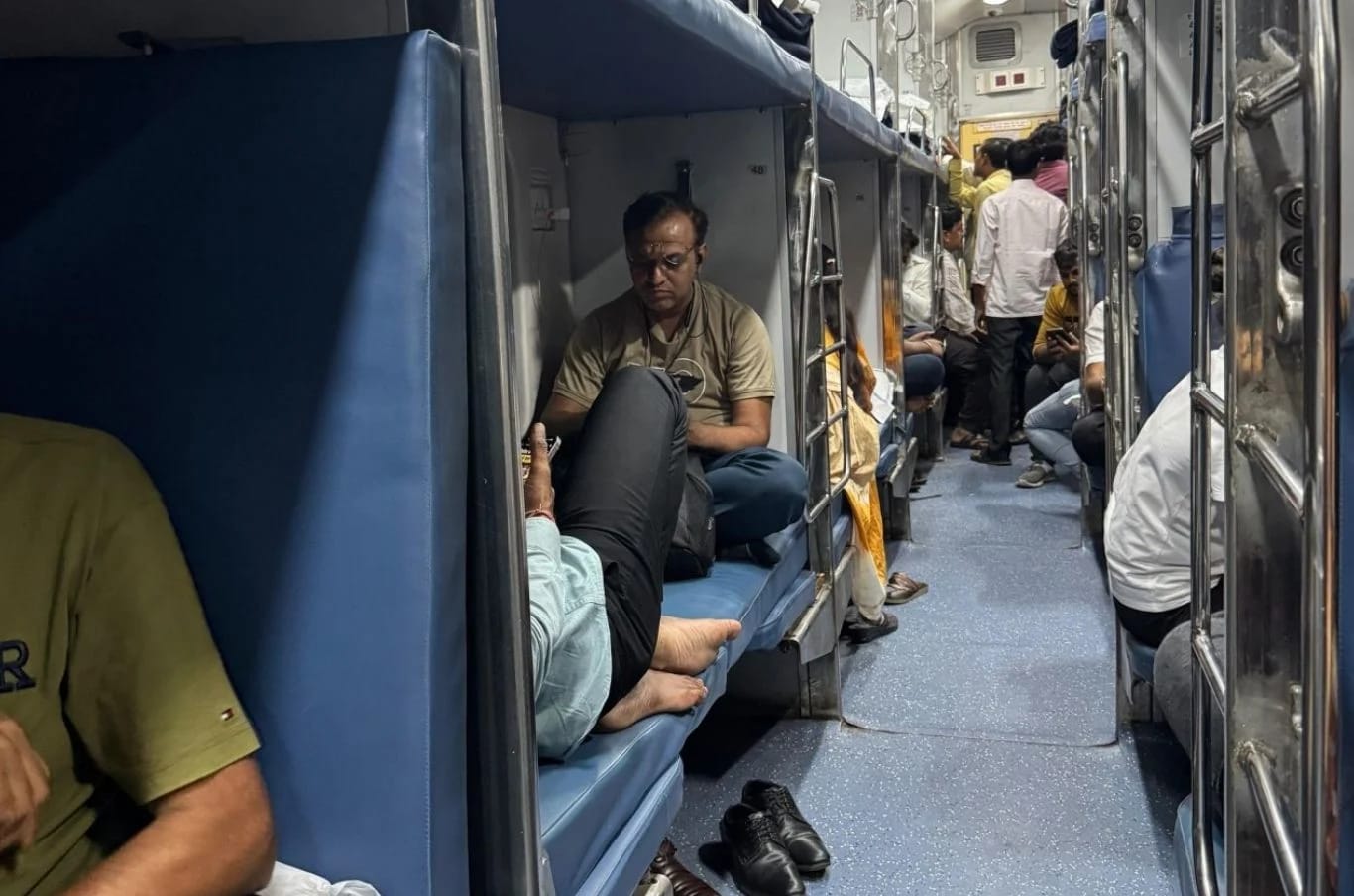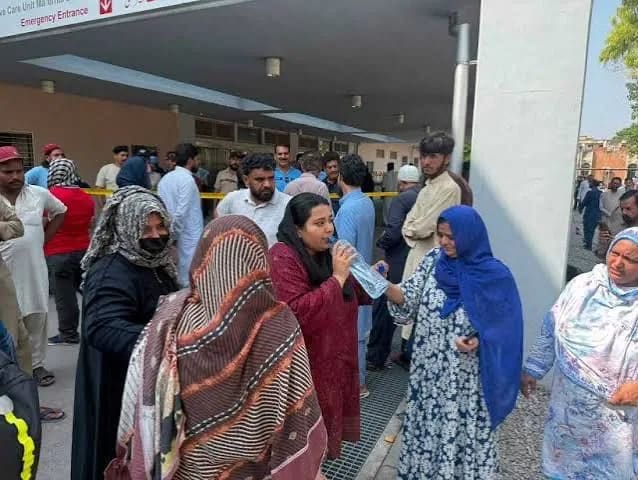
A disturbing incident on the Andaman Express train to Jhansi has unfolded into a major story: a passenger was allegedly beaten with sticks after arguing over a meal priced at ₹130. The assault, captured on video and circulated widely, triggered outrage across social media and rail passenger forums. The victim, identified as Nihaal, raised objections to the inflated meal cost and was met with physical violence, prompting the railways to announce a probe and initiate disciplinary action against staff and vendors involved. While the regional Railway Protection Force has intervened, the episode has broader implications for passenger safety, vendor accountability and service quality in Indian train travel. It also raises questions about oversight of on-board services, grievance redressal mechanisms and transparency in ancillary charges. For travellers who rely on long-distance trains including migrants, students and workers the incident is both a warning and a catalyst for demanding better standards. From a governance viewpoint, the railways face heightened pressure to ensure ethical behaviour by contractors, streamline vendor pricing, and improve monitoring in real time. As the story spreads, consumer rights groups and parliamentary committees may ask for stricter norms on vendor behaviour and penal frameworks. In effect, today’s incident has grown beyond a single assault to symbolise the latent risks in public transport services and the urgency of institutional accountability.
Passenger Assault on Jhansi Train Unmasks Safety Gaps in Rail Travel
Shivani1 min read