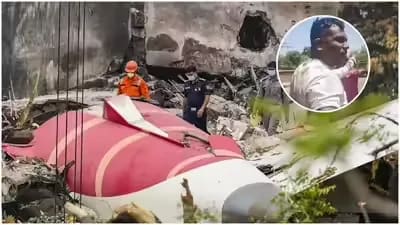
On 12 June, the Air India flight AI-171 from Ahmedabad to London Gatwick crashed, and 39-year-old Vishwashkumar Ramesh was the sole survivor. “Mentally, I have completely broken down,” he says, having walked out of a burning jet while 241 other people died.
Ramesh, seated in 11A next to an emergency exit, escaped the wreckage; his younger brother Ajaykumar, seated in 11J, perished in the crash.
After initial treatment in India he returned to the UK on 15 September but continues to suffer major physical injuries he struggles to walk, cannot drive, and spends much of his time isolated in Leicester.
His mental-health support has not materialised: though the NHS offers psychiatric care, Ramesh reports he “has not yet received NHS psychiatric care.”
Meanwhile, the family business — a fishing venture in Diu run by him and his brother “has virtually collapsed”, cutting off income; his wife’s universal credit was also halted after she travelled to India for two months following the crash.
Air India has provided an interim payment of £21,500 (approximately ₹25 lakh) to be adjusted against any final compensation.
Ramesh considers this amount “inadequate given UK living costs and his ongoing medical needs.” Community leaders assisting the family say repeated requests for an urgent meeting with senior Air India leadership have gone unanswered; although the airline says it remains “deeply conscious” of its responsibilities, the support has been slow.
For now, Ramesh’s focus remains on pain-management, mobility, securing mental-health support, and coming to terms with the loss of