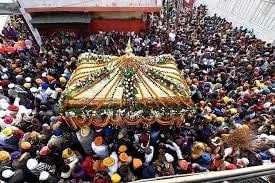
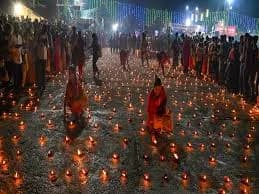
Today, the nation observes both Guru Nanak Jayanti and Kartik Purnima, producing a rare overlap of two major religious occasions. Across India and especially in the northern belt homes, gurdwaras, temples and ghats are adorned with lights, sacred readings, processions and communal gatherings. Government offices and schools in many states have been declared closed, enabling families to participate in the observances. The atmosphere is celebratory, combining devotional fervour with festive community interaction.
In Bihar, where the election mood is also omnipresent, the day serves as a moment of pause: political campaigning slows, while social and cultural activities gain prominence. Streets that are usually dominated by banners and rallies take on a different texture, with devotees in traditional dress, lamp-lit evenings and river-front rituals. Administrations in cities and smaller towns have issued advisories: traffic adjustments near gurdwaras and ghats, guidelines for pilgrims and special arrangements for mass bathing or processions.
The convergence of these festivals also provides an economic boost for local vendors, regional artisans and small businesses supplying lighting, sweets, religious paraphernalia and textiles. For citizens, the holiday offers both spiritual renewal and a chance to step back from daily routines. In a broader sense, the day underscores India’s plural cultural identity while serving as a reminder that even in politically charged times, moments of shared religious observance continue to bring communities together.