India’s opposition reflects concerns over both economic impact and the precedent such charges could set for international maritime routes.
© Images used for illustrative purposes only. Copyrights belong to their respective owners.

India’s opposition reflects concerns over both economic impact and the precedent such charges could set for international maritime routes.
© Images used for illustrative purposes only. Copyrights belong to their respective owners.
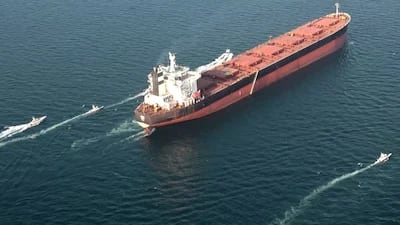
InternationalIn a significant development amid the ongoing West Asia conflict, India-flagged LPG tanker Green Asha has successfully navigated the Strait of Hormuz, marking a crucial step in restoring disrupted energy supply lines. According to shipping data, the vessel was carrying approximately 20,000 tonnes of LPG and became the eighth India-flagged tanker to transit the strait since the conflict began. The crossing comes at a time when maritime traffic through the Hormuz corridor has been severely restricted due to ongoing military tensions. The strait, which handles a significant share of global oil and gas shipments, has seen a drastic reduction in vessel movement, impacting energy-importing nations like India. Earlier, several Indian tankers were stranded in the region, raising concerns over LPG shortages and supply disruptions across the country. However, recent developments indicate that Iran has allowed passage to certain ”friendly” nations’ vessels under regulated conditions, enabling gradual movement of ships. Experts say the successful transit of vessels like Green Asha is critical for stabilising India’s LPG supply, especially as the country remains heavily dependent on imports from the Gulf. Despite the breakthrough, a significant number of Indian vessels are still waiting in the Persian Gulf for clearance, and the situation remains volatile. Authorities continue to monitor developments closely, with naval support and diplomatic coordination playing key roles in ensuring safe passage. The development offers temporary relief, but highlights the ongoing vulnerability of global energy supply chains amid geopolitical conflict. © Images used for illustrative purposes only. Copyrights belong to their respective owners.
Read more
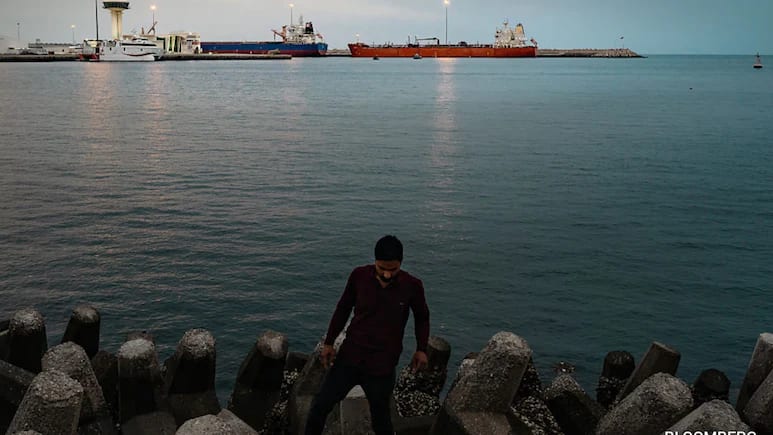
InternationalAt least 18 Indian-flagged ships carrying crude oil, LPG and LNG are currently stranded near the Strait of Hormuz due to the ongoing conflict in West Asia, raising concerns over India’s energy supply chain. Government officials said the vessels are anchored to the west of the strait, which has been severely disrupted by military tensions and security risks. These ships include crude oil tankers, LPG carriers and LNG vessels, with around 485 Indian crew members onboard, all reported safe. In addition to these, at least 10 foreign-flagged ships carrying energy cargo meant for India are also stuck in the Persian Gulf, further compounding supply concerns. The Strait of Hormuz is one of the world’s most critical energy routes, accounting for a major share of India’s imports, including nearly 40% of crude oil and 90% of LPG supplies. Officials confirmed that eight Indian ships have managed to cross the strait safely in recent days, but many remain stranded due to restricted movement and security threats in the region. The government stated that ensuring safe passage of Indian vessels remains a top priority, as disruptions in the region continue to impact global trade and energy markets. © Images used for illustrative purposes only. Copyrights belong to their respective owners.
Read more
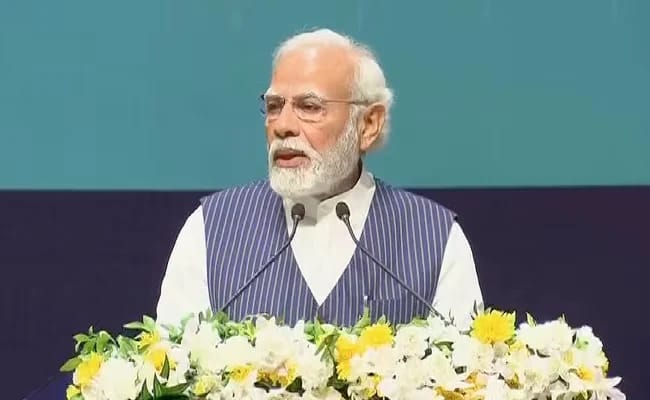
InternationalPrime Minister Narendra Modi stated that India remains focused on its own national interests while navigating global conflicts, including the ongoing tensions in West Asia. Speaking at a public event, Modi emphasised that India’s approach is guided by peace, dialogue and strategic independence. He highlighted the country’s ability to maintain strong relationships with multiple global partners despite geopolitical divisions. The Prime Minister also noted that India has demonstrated resilience in managing crises, including disruptions to global supply chains and energy markets. His remarks come as the government continues diplomatic engagement with multiple countries to ensure stability and protect national interests. © Images used for illustrative purposes only. Copyrights belong to their respective owners.
Read more