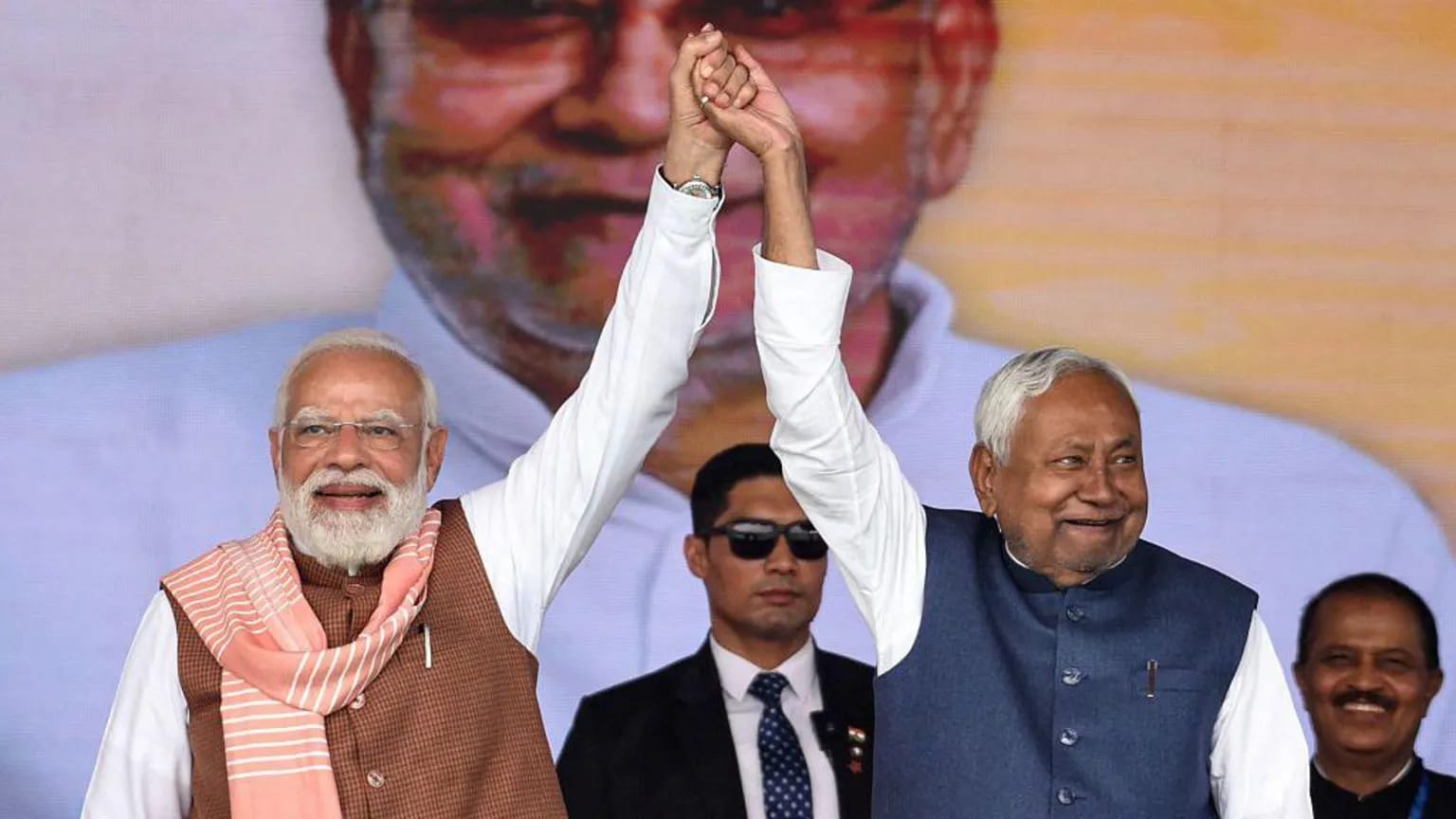
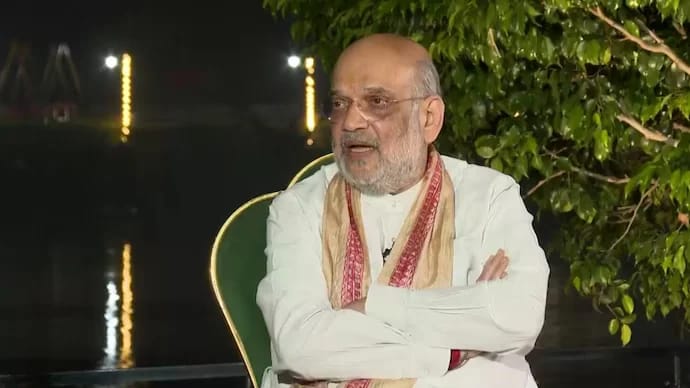
Senior union minister and campaign lead Amit Shah has projected that the ruling alliance the National Democratic Alliance (NDA) is poised to secure a dominant victory in Bihar’s assembly elections, claiming the projection of winning 160 to 180 seats out of 243. The statement signals confidence and serves as messaging aimed at both energising the alliance’s grassroots and instilling a sense of inevitability among voters.
Analysts see this projection as a strategic push: by raising expectations, the camp aims to frame the contest as a foregone conclusion and influence undecided voters. However, such high ambition also raises stakes falling short could be spun negatively by opposition parties. On the ground, the campaign machinery appears to mirror this momentum: large rallies, door-to-door drives, high-visibility advertising and intensive voter outreach across traditional strongholds and new battlegrounds. The narrative emphasises governance, development, welfare and continuity of leadership.
Opposition parties, meanwhile, are positioning themselves on themes of change, social justice and under-served regions. For voters, the projection may reinforce the notion that their vote is part of a larger tide but it also places pressure on the alliance to deliver credibility and mobilisation. As the first phase of polling looms, the bold forecast may energise supporters, draw attention to campaign efforts and sharpen the competitive contrast. Ultimately, whether the expectation transforms into result will shape how the alliance is viewed not just for this election, but for its broader political brand.