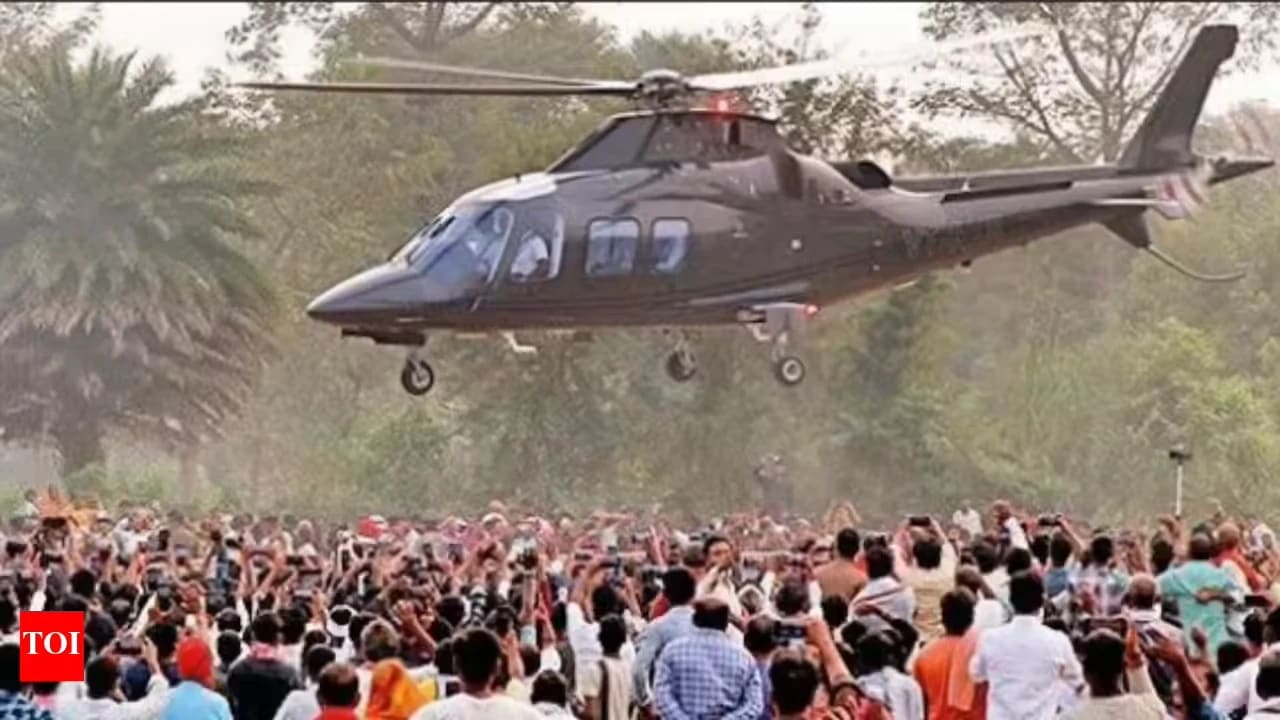
The campaign for the second phase of Bihar’s assembly elections concluded with more than 450 aircraft sorties logged by helicopters and chartered planes ferrying political leaders, party teams and media across the state. The large number of flights signals the scale, cost and intensity of mobilisation efforts by all major alliances. Campaign logistics included rapid transit across remote zones, vantage-point rallies and high-visibility events in urban and rural constituencies. Observers note that aviation-enabled outreach has become integral to modern election strategy, allowing leaders to maximise presence while managing fatigue and scheduling. However, critics argue that the high cost and environmental impact raise questions about equity in electoral access and sustainable campaign practices. For voters in congested areas the aerial displays may heighten perceptions of intensity, but the core issues remain voter access, local candidate credibility and ground-level engagement. Administrators faced operational demands including landing clearances, crowd-management at helipads, noise controls and scheduling coordination. As the campaigning ends and votes approach, the scale of aerial logistics may set precedents for future state elections. The culmination of this air-armada marks a transition towards polling phase where mobile technology, local outreach and booth-level mechanics will matter more than grand travel.
Campaign Air-Armada Completes 450+ Sorties in Bihar Election Push
Shivani1 min read