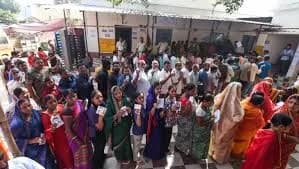
In the heart of one of Bihar’s politically active districts, Nalanda, election preparations for the first phase of voting are in full swing as approximately 22 lakh voters across 68 constituencies gear up to cast their ballot. The district administration has officially declared the campaign period closed and entered the mandatory “silence period”, barring rallies, public meetings and campaign advertisements. Security, logistics and voter-facilitation arrangements are reported to be in advanced stages booths secured, fleets of vehicles in standby mode, and support teams briefed. Locals describe the mood as a mix of fatigue and expectation: after weeks of campaigning, banners are coming down, streets reclaim something of normalcy, but the under-current of decision-making is intensifying. Observers note that in Nalanda especially, where caste-alignments, youth engagement and rural-urban divides create dynamic contestation, the silence period serves as a subtle transformation from loud campaigning to reflective decision-making by voters. For candidates and parties, it’s a moment to hold ground, message-control and manage narrative without overt activity. For voters, the era between campaigning and polling is becoming critical it's when promises crystallise into intention and when last-minute influence attempts may carry greater weight. In sum, Nalanda’s large electorate and structured election management illustrate how district-level readiness is key to state-wide polling integrity, especially in a high-stakes environment like Bihar’s current poll cycle.
Record 22 Lakh Voters in Nalanda Brace for First-Phase Polls under Silence Period
Shivani1 min read