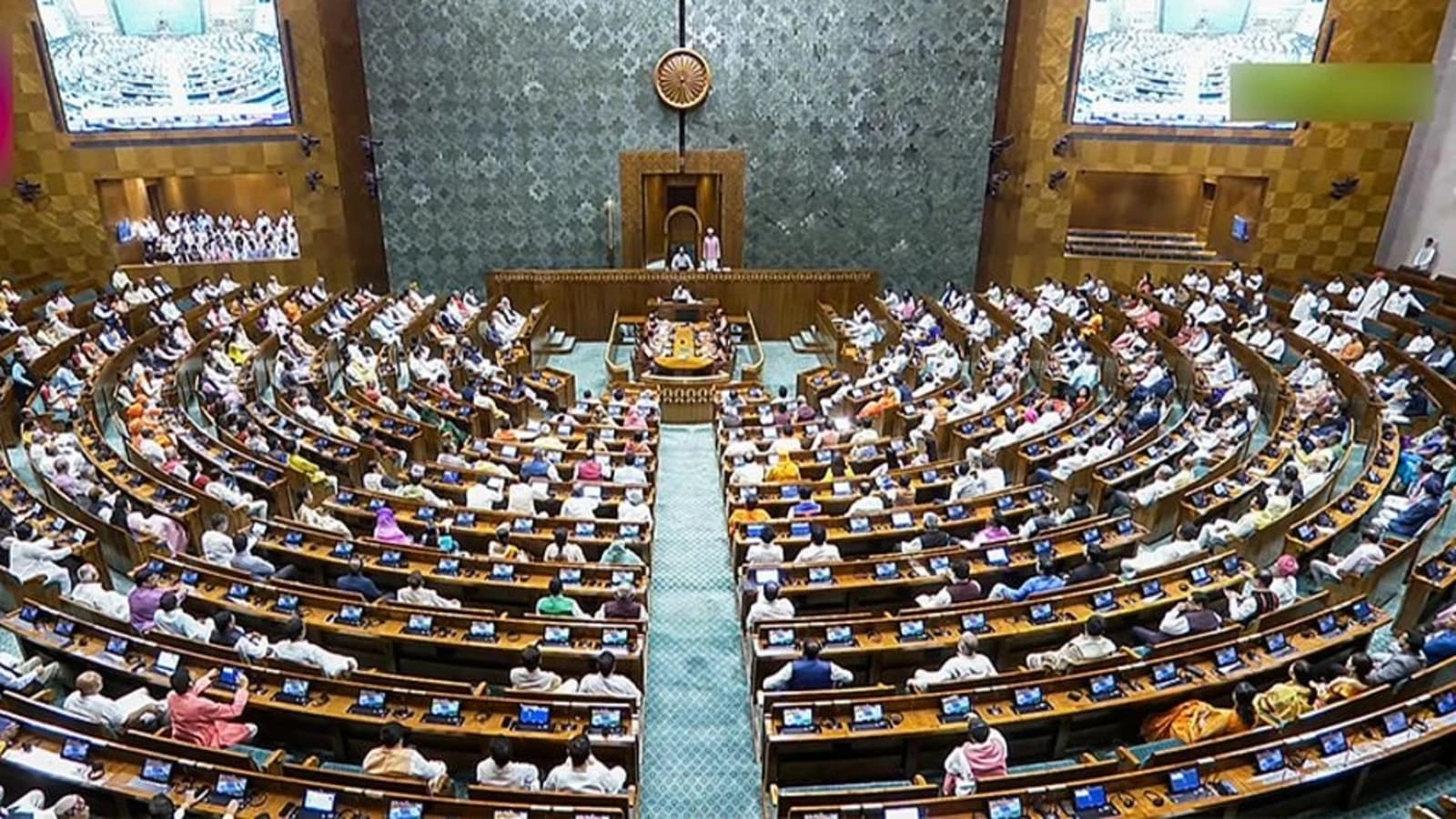
In the national legislature, the Upper House passed a landmark bill aimed at expanding women’s reservation in urban local‐body elections to 50 per cent. The legislation mandates that half of all seats in municipalities, municipal corporations and urban councils be reserved for women candidates along with equivalent representation in mayoral and chairperson roles. The government said this move is designed to increase gender parity, enhance inclusive governance and ensure better representation of women in decision-making roles. Party leaders conducted discussions during the parliamentary session and outlined implementation plans to roll out the change from next urban election cycle. While observers praised the ambition, some raised concerns about delays in rule-making and ensuring effective support systems for newly elected women representatives. Urban administrators will now be tasked with revising election schedules, seat maps and training programmes for future councils. The passage of the bill adds momentum to national gender-equity goals and aligns with global development frameworks. Many civic-experts said the move could transform local-level governance dynamics by integrating women’s leadership into the core of city administration. For residents in urban India this signals a shift in power structures and the promise of more responsive local governance.
© Images used for illustrative purposes only. Copyrights belong to their respective owners.