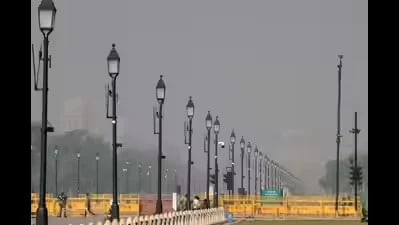
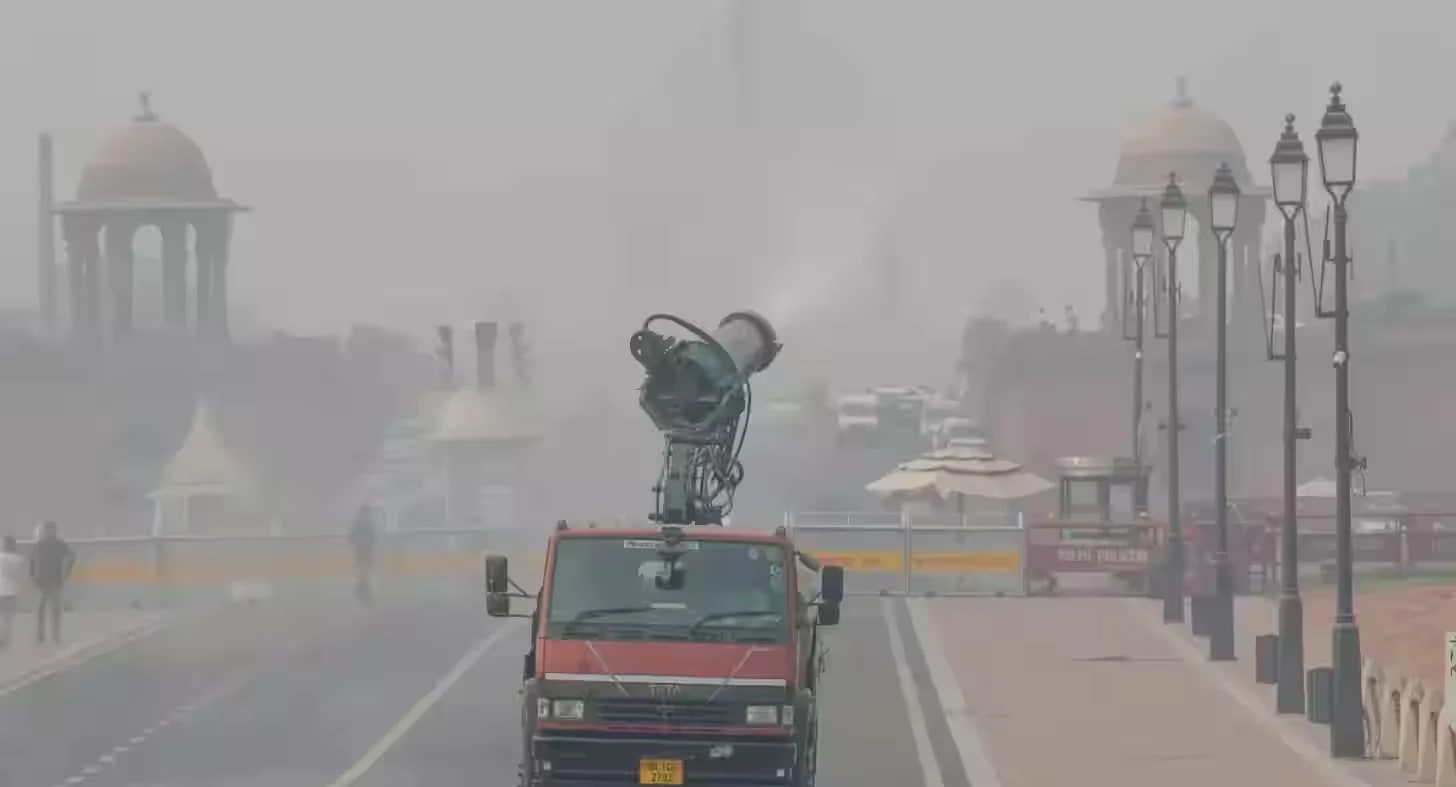
The national capital region has slipped again into alarming air-quality levels, with the Air Quality Index (AQI) in parts exceeding hazardous-category thresholds. The pollution surge is attributed to a combination of factors: stagnant weather conditions, crop-residue burning from neighbouring states, increased vehicular emissions in cooler hours and sluggish dispersion of pollutants. Health-advisories are already in circulation: elderly citizens, children and residents with respiratory issues are urged to limit outdoor activity; schools are exploring early dismissal or online classes; and urban authorities have mobilised additional dust-control, air-purifier installations and increased monitoring. The pattern is familiar an almost annual smog cycle for Delhi and surrounding regions but each year the intensity, visibility of haze and public-health impact appears to deepen. For policy-makers, the episode renews pressure: will measures like restrictions on burning, enhanced surveillance, stricter vehicular norms and regional coordination yield lasting relief?
For citizens and communicators, the story resonates as more than local weather it touches on urban governance, health readiness and environmental justice. For your personal interest in mental-well-being and community impact, such conditions also raise questions about lifestyle, hydration, stress impact and coping strategies. Ultimately, the spike in pollution today serves both as immediate concern and as a longer-term indicator of how urban-ecosystem and policy interplay under climatic and human pressures.