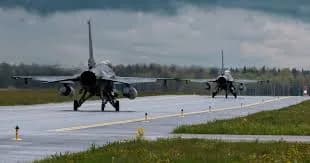
A recent military wargame simulation has shown that parts of **Europe could be vulnerable to a North Atlantic Treaty Organization response if faced with an unexpected Russian Federation offensive, exposing gaps in readiness and coordination among European forces. The exercise, organised by defence analysts and military experts, used a hypothetical scenario of a Russian advance into Lithuania to test how quickly and effectively European countries could respond.
In the simulated conflict, Russian forces managed to make territorial gains before unified action could be taken by allied governments. The exercise spotlighted challenges such as delays in decision-making, unclear command structures, and logistical constraints that could hinder rapid reinforcement of front-line states in the event of a real conflict. Some participants also highlighted the risk that indecision among European capitals could weaken collective defence efforts.
Analysts noted that the scenario underscored Europe’s reliance on coordinated responses and the importance of strong cooperation with partners beyond the continent. The results have prompted calls from military officials for deeper integration of defence planning, improved
readiness of rapid deployment forces, and clearer commitment mechanisms among member states. More than highlighting battlefield tactics, the wargame emphasised the strategic need for political consensus and military preparedness across allied nations to deter any potential aggression.
While the simulation does not predict an imminent attack, it has stirred debate among defence planners on bolstering deterrence, enhancing logistics infrastructure, and ensuring timely mobilisation of forces in future crises. European policymakers are expected to consider the findings as part of broader defence reviews and strategy discussions.
© Images used for illustrative purposes only. Copyrights belong to their respective owners.