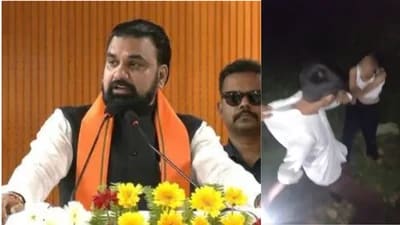
Patna, September 26, 2026: An FIR has been registered at Secretariat Police Station in Patna against an employee of the Bihar Chief Minister’s Office (CMO) after a photograph involving a minor victim of the Jamui case and her family was posted on Chief Minister Samrat Choudhary’s social media account on X.
The photograph was subsequently removed, but its circulation led to concerns over the privacy and identity of the minor. The police case has now shifted the matter from public controversy to a formal investigation.
What Happened?
The development follows a meeting between the Chief Minister and the minor victim and her family in Patna.
According to reports, Choudhary had met the family and assured them of speedy justice. A photograph from the meeting was subsequently posted on his official X account. The post was later deleted.
The photograph nevertheless circulated through screenshots and other social-media channels, leading to criticism over whether the image could reveal the identity of a minor involved in a sexual-offence case.
FIR Registered in Patna
Following a written complaint, the Secretariat Police Station registered a case against an employee of the CMO.
Reports identifying the FIR and police documents say the employee is a stenographer in the Chief Minister’s Office. The complaint alleges that the photograph was uploaded to X and subsequently circulated elsewhere.
The FIR invokes provisions of the Bharatiya Nyaya Sanhita (BNS), the Protection of Children from Sexual Offences (POCSO) Act and the Information Technology Act, according to reports citing the case documents.
Police have also sought action concerning others who may have

Why Is the Photograph Legally Sensitive?
The central issue is the protection of a child victim’s identity.
Section 23 of the POCSO Act, 2012 places restrictions on the reporting and publication of information that can identify a child involved in proceedings under the Act.
The provision is particularly relevant when photographs or other information shared online could allow people to identify the victim.
The FIR in the present matter alleges that the publication of the photograph compromised the minor’s privacy and dignity.
However, registration of an FIR is not a finding of guilt. The circumstances surrounding the uploading and circulation of the photograph remain subject to investigation and any subsequent legal proceedings.
Political Reactions
The photograph also triggered a political dispute in Bihar.
RJD leader and Leader of Opposition Tejashwi Yadav criticised the post and alleged that the photograph could reveal the identity of the minor. RJD MP Misa Bharti also sought police action in connection with the matter.
Police subsequently said that a case had already been registered concerning the photograph and that Bharti’s application would be considered as part of the investigation.
The political allegations and responses should be distinguished from the police investigation: the FIR concerns the alleged publication and circulation of the photograph,
Police subsequently said that a case had already been registered concerning the photograph and that Bharti’s application would be considered as part of the investigation.
The political allegations and responses should be distinguished from the police investigation: the FIR concerns the alleged publication and circulation of the photograph, while questions about individual criminal liability will depend on the evidence and legal process.
What Is the Background of the Jamui Case?
The controversy over the photograph comes against the backdrop of a September 19 incident in Jamui involving a minor girl and a boy who were allegedly stopped and assaulted by a group of youths.
A video connected with the incident subsequently circulated online, prompting police action and an investigation. Police registered a case under relevant provisions, including the POCSO Act, and arrested people allegedly connected with the incident. (The Times of India)
The circulation of material that could identify the minor has itself become a separate concern for authorities.
Why Victim Privacy Matters in Such Cases
Protecting the identity of child victims is intended to prevent further harm, unwanted exposure and social consequences.
Digital platforms make this particularly challenging because even when an original post is deleted, screenshots and copies can continue circulating.
For this reason, news organisations and social-media users should avoid sharing photographs, names, addresses, school details or other information that could identify a minor involved in a sexual-offence case.
What Happens Next?
The Patna Police investigation will examine how the photograph was uploaded, who was responsible for its publication and whether others subsequently circulated it.
Investigators may also examine available digital and electronic evidence connected with the post and its circulation. (Patna Press)
Any criminal liability will ultimately depend on the investigation, evidence and the legal process.
Conclusion
The FIR registered in Patna over the Jamui victim’s photograph has brought child-victim privacy and social-media responsibility into focus.
While the photograph was reportedly removed from the Chief Minister’s X account, its subsequent circulation has resulted in a formal police investigation.
The case also highlights the importance of protecting the identity of minors involved in sexual-offence cases, particularly in an environment where digital content can spread rapidly even after its original source is deleted.
Patnaites Media will continue to track the investigation and report verified developments without revealing the identity or identifying details of the minor victim.