Kathmandu, August 26, 2026: A massive flash flood struck northern Nepal near the Tibet border on Wednesday, killing at least eight people and causing widespread destruction across several settlements in the Himalayan region. Authorities fear the death toll could rise as rescue teams continue searching areas that have been cut off by floodwaters.
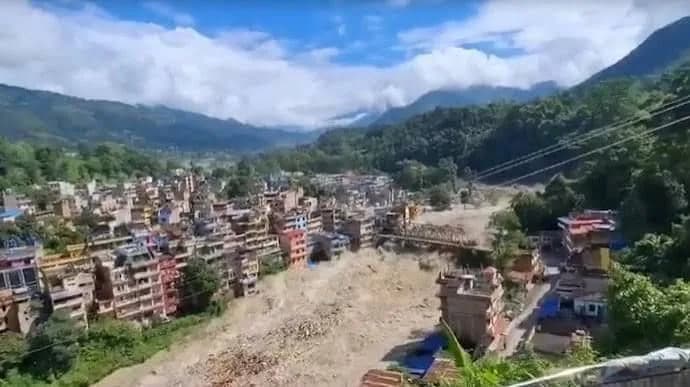
The sudden surge swept through the Bhote Koshi River in Nepal's Rasuwa district, particularly affecting the areas around Timure and Syaphrubesi. Homes, vehicles, roads, bridges and other infrastructure were reportedly washed away, while several villages and market areas suffered extensive damage.
Across the border in Tibet's Gyirong County, authorities also reported major casualties and missing people after a mudslide struck a border crossing. The exact scale of the destruction on both sides remains unclear because communication and transport links have been severely disrupted.
Rescue Operations Underway
The Nepal government has deployed the Nepali Army, Armed Police Force and Nepal Police for search-and-rescue operations. Helicopters have been mobilised, although extremely high water levels have made it difficult for aircraft to land in some of the worst-hit areas.
Several security personnel are also reported missing, adding to concerns over the scale of the disaster. Authorities have urged residents living along the Trishuli River and other vulnerable areas to move to safer, higher ground as floodwaters continue downstream.
Cause Still Under Investigation
Officials have not yet established the exact cause of the sudden flooding. Nepal's Flood Forecasting Division said the disaster did not appear to have been caused by heavy rainfall

The flood has also damaged major hydropower and transmission infrastructure, potentially affecting Nepal's electricity supply. With rescue operations still underway and several people unaccounted for, officials warn that the full extent of casualties and property damage may only become clear once affected areas are reached.
The disaster has prompted high-alert warnings for communities downstream, with authorities urging people to avoid riverbanks and relocate from vulnerable settlements until the threat subsides.