
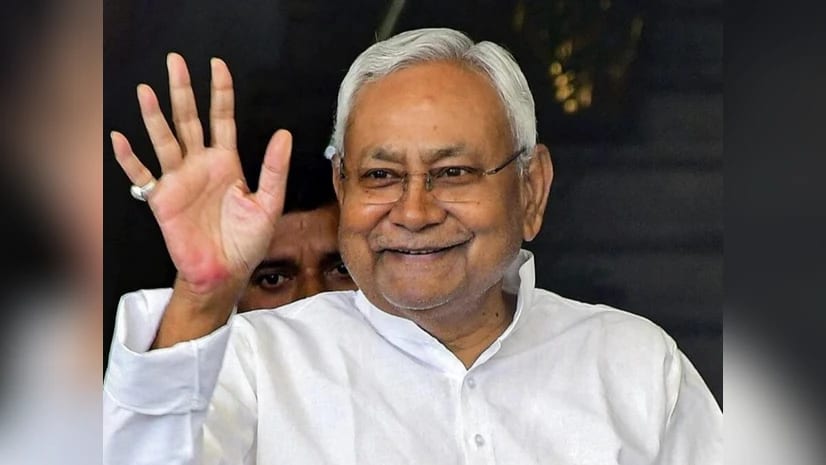
The Bihar government today issued orders assigning district charges to state ministers, a move aimed at enhancing administrative oversight and strengthening coordination between the government and local authorities. Under the new arrangement, ministers have been designated specific districts to oversee, enabling closer monitoring of developmental works, law and order, public welfare initiatives and implementation of government schemes at the grassroots level.
Officials said the decision reflects the administration’s focus on improved governance, ensuring that state ministers maintain direct contact with district officials and address local issues more efficiently. The assigned charges will involve regular review meetings with district magistrates, engagement with community stakeholders and periodic field visits to assess progress on key projects such as infrastructure development, healthcare services, education facilities, rural development and disaster management preparedness.
Under the reshuffle, each minister has been paired with one or more districts based on their portfolios and experience. The list of district responsibilities is expected to be shared with district administrations so that official communication and reporting frameworks can be updated accordingly. Government sources stated that the objective is to decentralise oversight while fostering accountability among ministers for outcomes in their respective areas.
The move has been welcomed by several local representatives, who said that dedicated ministerial oversight could help expedite problem resolution and ensure better alignment between state priorities and district-level execution. Civic bodies and community organisations also expressed support, noting that regular interaction between ministers and district officials can help bridge gaps in service delivery.

The government has directed all ministries to coordinate with district magistrates to finalise visit schedules, review forums and reporting matrices. Officials emphasised that this setup will complement existing administrative structures rather than replace them, and that the changes are designed to benefit citizens through more responsive governance.
© Images used for illustrative purposes only. Copyrights belong to their respective owners.